Vaginal Health in India: Hygiene Tips, Benefits

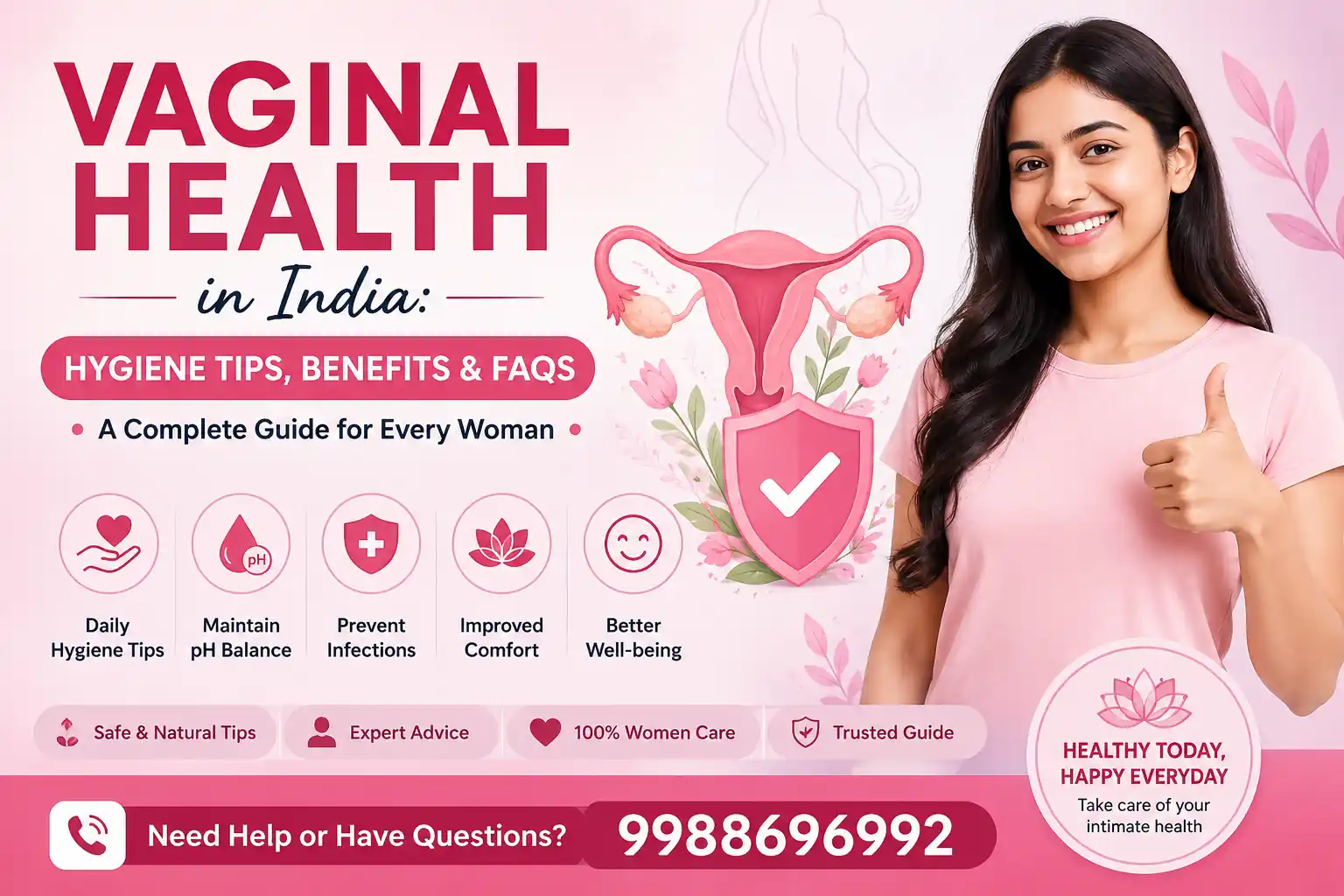
Vaginal Health in India: Essential Hygiene & Wellness Tips for Women
Vaginal health is a topic that many women in India still hesitate to talk about openly — even with their doctors, friends, or family. Cultural taboos, lack of awareness, and limited access to accurate information often leave women confused about what’s “normal” and what’s not. But intimate health is just as important as any other part of overall wellness, and understanding it can help prevent infections, discomfort, and long-term complications.
This guide breaks down everything Indian women need to know about vaginal hygiene — from daily care routines to diet, common myths, warning signs, and frequently asked questions — so you can make informed, confident choices about your body.
Disclaimer: This article is for general informational purposes only and is not a substitute for professional medical advice. Please consult a gynecologist for any specific concerns.
Why Vaginal Health Deserves More Attention
The vagina is a self-cleaning organ with a delicate, naturally balanced ecosystem of bacteria (mostly Lactobacillus species) that maintains a mildly acidic pH, typically between 3.8 and 4.5. This acidity acts as a natural defense mechanism, keeping harmful bacteria and yeast in check.
However, this balance can easily be disrupted by:
- Poor hygiene practices (both too little and too much cleaning)
- Tight, non-breathable clothing
- Hormonal changes (puberty, pregnancy, menstruation, menopause)
- Antibiotic use
- Unprotected sexual activity
- Stress and poor diet
- Climate — India’s heat and humidity in many regions increase the risk of infections
When this natural balance is disturbed, women may experience irritation, unusual discharge, odor, itching, or infections such as bacterial vaginosis, yeast infections, or urinary tract infections (UTIs). Understanding how to care for this part of the body is not vanity — it’s basic preventive healthcare.
Understanding What’s “Normal”
Before diving into hygiene tips, it helps to know what healthy vaginal discharge and function typically look like, since this varies through the menstrual cycle:
- Clear to white discharge that may change in consistency (thin, watery, or slightly thick) is usually normal and changes with the hormonal cycle.
- Mild, non-offensive smell is normal; a strong fishy or foul odor is not.
- No persistent itching, burning, or pain during daily activities, urination, or intercourse.
If any of these change suddenly — color turns yellow, green, or gray; there’s a strong odor; or you experience pain or itching — it’s worth getting it checked by a doctor rather than self-diagnosing.
Essential Vaginal Hygiene Tips for Indian Women
1. Practice Gentle External Cleaning Only
The vagina cleans itself internally. You should only wash the external area (vulva) with warm water. Avoid inserting soap, shampoo, or any cleaning product inside the vaginal canal — this disrupts the natural pH and good bacteria, increasing infection risk.
2. Skip Harsh Soaps and Scented Products
Many soaps, scented washes, and feminine “deodorant” sprays sold in the market are heavily fragranced and can cause irritation, allergic reactions, or disrupt natural flora. If you want to use a cleanser, choose a mild, pH-balanced, fragrance-free intimate wash and use it only externally.
3. Wipe Front to Back
After using the toilet, always wipe from front to back. This simple habit prevents bacteria from the anal region from reaching the urethra and vagina, significantly lowering UTI risk — a common issue for Indian women, especially in public restroom settings.
4. Choose Breathable, Cotton Underwear
India’s climate — hot, humid, and often dusty — creates an ideal environment for bacterial and fungal growth. Cotton underwear allows air circulation and absorbs moisture better than synthetic fabrics. Change underwear daily, and more often if you sweat heavily.
5. Avoid Tight, Synthetic Clothing for Long Hours
Tight jeans, leggings, or synthetic gym wear trap heat and moisture. If you wear such clothing for work or travel, try to change into looser, breathable fabric when possible, especially at home.
6. Maintain Proper Menstrual Hygiene
- Change sanitary pads every 4–6 hours, or more frequently on heavy flow days.
- If using tampons or menstrual cups, follow the recommended usage time strictly to avoid infection risk.
- Wash hands before and after changing menstrual products.
- Dispose of used products hygienically, wrapped properly, and never flush them.
- Consider switching between products (pads, cups, or period-friendly underwear) based on comfort and lifestyle, especially during India’s humid summer months.
7. Stay Hydrated and Urinate Regularly
Don’t hold urine for long periods, especially at work or during travel. Holding urine increases UTI risk. Drinking enough water throughout the day also helps flush bacteria from the urinary tract naturally.
8. Urinate After Sexual Activity
This simple habit helps flush out bacteria that may have entered the urethra during intercourse, reducing the chance of a UTI.
9. Be Cautious with Douching
Vaginal douching (rinsing the inside of the vagina with water or other fluids) is not recommended by most gynecologists. It removes healthy bacteria along with the bad, disrupting natural balance and increasing susceptibility to infections.
10. Trim, Don’t Over-Groom
If you choose to remove pubic hair, be gentle with the skin. Avoid harsh razors, expired blades, or hair-removal creams not meant for sensitive areas, as these can cause cuts, razor burn, or ingrown hairs that may become infected.
11. Practice Safe Sexual Hygiene
- Use protection to reduce the risk of sexually transmitted infections (STIs).
- Clean any intimate accessories thoroughly before and after each use, following manufacturer instructions, and store them in a clean, dry place.
- Communicate openly with your partner about hygiene and comfort.
12. Get Regular Gynecological Check-Ups
Many Indian women visit a gynecologist only when there’s a problem, such as pregnancy or a persistent issue. Annual check-ups — including Pap smears from age 21 (or as advised) — can catch issues early, even before symptoms appear.
Diet and Lifestyle for Vaginal Wellness
What you eat and how you live also affects intimate health:
- Probiotics: Curd (dahi), buttermilk (chaas), and fermented foods support healthy gut and vaginal bacteria balance.
- Hydration: Adequate water intake supports urinary tract health and natural lubrication.
- Limit excess sugar: High sugar intake can promote yeast overgrowth, increasing the risk of candidiasis (yeast infections).
- Balanced diet: Include iron-rich foods, leafy greens, and vitamin C sources to support immunity, especially important during menstruation.
- Manage stress: Chronic stress can disrupt hormonal balance, which in turn affects vaginal flora and menstrual regularity. Yoga, meditation, or simple daily walks can help.
- Exercise regularly: Physical activity improves circulation, which supports pelvic health and reduces menstrual discomfort.
- Avoid smoking and limit alcohol: Both can affect hormonal balance and immune response, indirectly impacting vaginal health.
Common Myths About Vaginal Health in India
Myth 1: The vagina needs to be washed with soap to be “clean.” Fact: The vagina is self-cleaning. Internal washing with soap or other products does more harm than good.
Myth 2: White discharge always means something is wrong. Fact: Some discharge is completely normal and varies with your cycle. Only sudden changes in color, texture, smell, or accompanying symptoms need medical attention.
Myth 3: Using period products means you’re “unclean” during menstruation. Fact: Menstruation is a natural biological process, not an impurity. Practicing hygiene during periods is about health, not tradition-based restrictions.
Myth 4: Only sexually active women need to worry about intimate hygiene. Fact: All women, regardless of sexual activity, benefit from proper hygiene practices, as infections like UTIs and yeast infections aren’t exclusively linked to sexual activity.
Myth 5: Feminine hygiene sprays and scented products are necessary for freshness. Fact: These products often do more harm than good by disrupting natural pH balance and causing irritation.
Benefits of Maintaining Good Vaginal Health
Prioritizing intimate hygiene and wellness offers several benefits:
- Reduced risk of infections: Lower chances of UTIs, bacterial vaginosis, and yeast infections.
- Better comfort in daily life: Less itching, irritation, or unusual odor.
- Improved reproductive health: Supports fertility and reduces risk of complications during pregnancy.
- Enhanced confidence: Feeling clean and comfortable contributes to overall self-esteem and body confidence.
- Better sexual wellness: A healthy vaginal environment supports comfort and satisfaction in intimate relationships.
- Early detection of issues: Regular self-awareness and check-ups can catch problems like infections or abnormalities early, when they’re easiest to treat.
- Overall wellbeing: Intimate health is connected to hormonal balance, which affects mood, energy levels, and general health.
When to See a Doctor
Don’t ignore these warning signs — consult a gynecologist if you notice:
- Persistent itching, burning, or irritation
- Unusual discharge (yellow, green, gray, or cottage-cheese-like texture)
- Strong, foul, or fishy odor
- Pain during urination or intercourse
- Unexplained bleeding between periods or after menopause
- Sores, bumps, or lesions in the genital area
- Recurring infections despite hygiene efforts
Early diagnosis often means simpler, faster treatment.
Frequently Asked Questions (F&Q)
Q1: Is it normal to have discharge every day?
Yes, some amount of clear or white discharge is a normal part of the vaginal self-cleaning process. It typically changes in amount and consistency throughout your menstrual cycle.
Q2: How often should I wash the vaginal area?
Once or twice a day with plain warm water is usually enough. Over-washing can actually disrupt the natural pH balance and lead to dryness or irritation.
Q3: Can wearing tight jeans cause infections?
Prolonged wear of tight, non-breathable clothing can trap heat and moisture, creating a favorable environment for bacterial or fungal growth. It’s best to alternate with looser, breathable clothing when possible.
Q4: Is it safe to use intimate wash products regularly?
Mild, pH-balanced, fragrance-free intimate washes are generally considered safe for external use only, but they aren’t strictly necessary for everyone. Plain water is often sufficient for daily cleaning.
Q5: What causes recurring yeast infections?
Common triggers include high sugar diets, antibiotic use, tight clothing, hormonal changes, and excessive moisture. If infections recur frequently, a doctor can help identify the underlying cause.
Q6: Does menstrual hygiene affect fertility?
Poor menstrual hygiene can increase infection risk, and untreated infections can sometimes lead to complications affecting reproductive health over time. Practicing good hygiene supports overall reproductive wellness.
Q7: Is it normal to have odor during periods?
A mild, natural odor during menstruation is normal due to blood exposure to air. A strong, foul smell, however, could indicate an infection and should be checked by a doctor.
Q8: Can stress really affect vaginal health?
Yes. Chronic stress affects hormone levels, which can disrupt the menstrual cycle and natural vaginal flora, making the body more susceptible to imbalances and infections.
Q9: At what age should Indian women start regular gynecological check-ups?
Most experts recommend starting annual well-woman visits by age 21, or earlier if sexually active or experiencing symptoms. Regular check-ups help catch issues early.
Q10: Are natural or home remedies safe for vaginal infections?
Some mild home practices (like probiotic-rich foods) can support general health, but active infections should always be diagnosed and treated by a medical professional rather than relying solely on home remedies, as self-treatment can delay proper care or worsen the condition.
Final Thoughts
Vaginal health is a normal, essential part of every woman’s overall wellbeing — not something to feel embarrassed about. Simple daily habits like gentle cleaning, breathable clothing, proper menstrual hygiene, a balanced diet, and regular check-ups can make a significant difference in preventing discomfort and infections.
Breaking the silence around intimate health starts with awareness and open conversations — with doctors, partners, and even friends. The more informed you are, the better choices you can make for your body.
Have questions or want personalized guidance on intimate wellness products? 📞 Call/WhatsApp: 9988696992 🌐 Visit: adultsextoysindia.com
Note: For any medical symptoms or concerns, please consult a licensed gynecologist rather than relying on self-diagnosis.