Solo Self-Care & Personal Wellness: Beginner’s Guide (India)


Why Solo Self-Care Deserves a Place in Your Wellness Routine
Most of us treat wellness as a checklist: eat well, exercise, sleep eight hours, manage stress. Yet one part of well-being is rarely discussed openly, especially in India: how we relate to our own bodies, pleasure, and private time.
Solo self-care means any intentional, private practice that helps you relax, understand your body, and feel better in your own skin. It can include mindfulness, body-aware relaxation, massage, intimate self-exploration, a healthy bedtime routine, or using personal wellness products designed for comfort and safety.
After years of working in the wellness and customer-education space, one pattern stands out. Most beginners aren’t short on curiosity. They are short on reliable, judgement-free information. They worry about hygiene, safety, what’s “normal,” and whom to trust. This guide answers those questions step by step, in plain language.
Key Takeaways (Quick Answers)
- Solo self-care is a private, intentional habit that supports physical comfort, emotional balance, and body awareness.
- Health benefits can include lower stress, better sleep, improved mood, and greater body confidence.
- Safety first: choose body-safe materials, practise good hygiene, and use the right lubricant.
- Start slow. There is no timeline, no “right way,” and no pressure.
- See a doctor if you have persistent pain, unusual discharge, bleeding, or ongoing difficulties.
What Is Solo Self-Care? A Simple Definition
Solo self-care is the practice of taking time, alone and on purpose, to look after your physical, mental, and emotional needs. In personal wellness, it covers two broad areas:
- General self-care: sleep hygiene, journaling, breathing exercises, skincare, stretching, digital detox, and quiet time.
- Intimate or sexual wellness self-care: understanding your own responses, relaxing the body, and, if you choose, using personal wellness products to explore comfortably and safely.
Both matter. Someone who is chronically stressed and disconnected from their body often benefits from combining the two.
In one sentence: solo self-care is about treating your body and mind with the same patience and respect you would offer someone you love.
Why Solo Wellness Still Feels Taboo in India (and Why That’s Changing)
In many Indian households, conversations about the body, pleasure, and intimacy are avoided entirely. School education rarely goes beyond basic biology, so many adults learn from peers, social media, or myths.
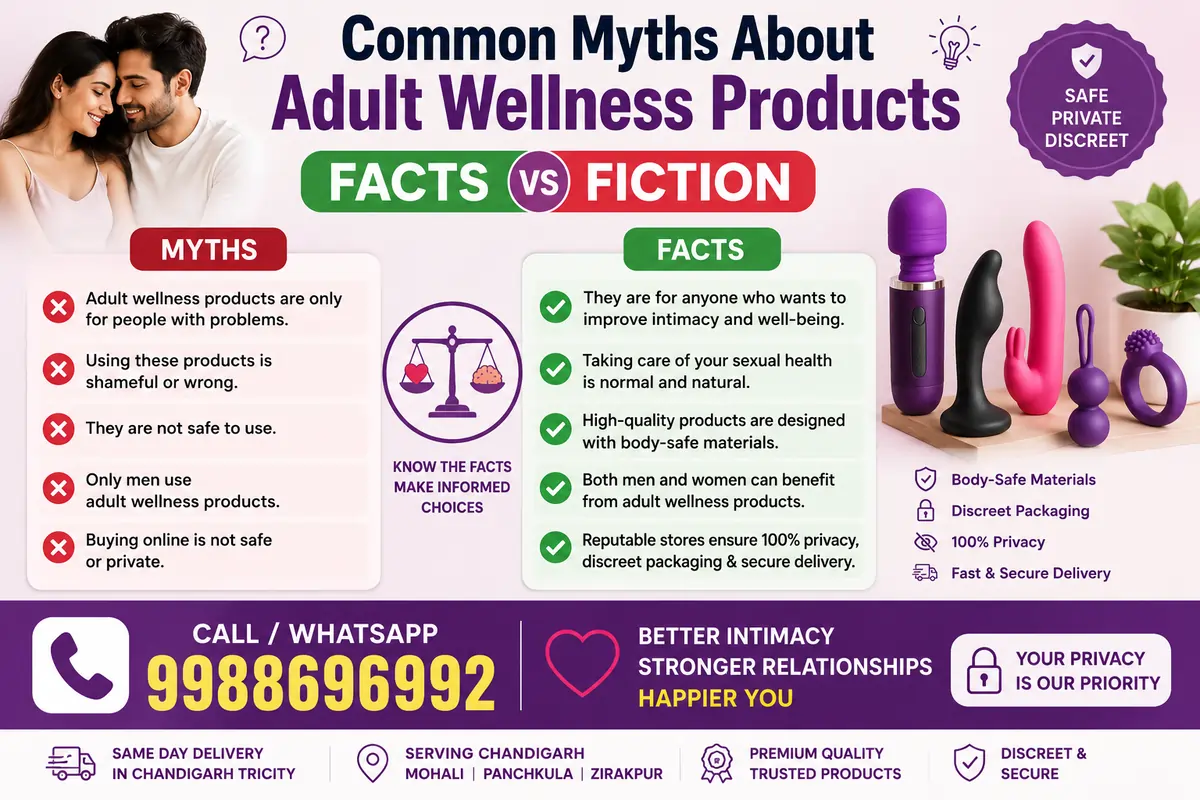
Common myths that cause unnecessary anxiety include:
- “It causes weakness or physical damage.” There is no credible medical evidence that normal, moderate self-care harms the body.
- “It’s only for people without partners.” People in relationships practise it too, often to understand their own needs better.
- “It’s shameful or unnatural.” Major health organisations and sexologists consider it a normal part of human sexuality.
- “Only men need it.” Women, men, and people of all genders benefit from body awareness.
Awareness is growing, especially among young professionals in metro and tier-2 cities. More people now search for privacy-respecting, educational information. That is a healthy sign.
The Health Benefits of Solo Self-Care and Personal Wellness
Research in psychology, sleep medicine, and sexual health points to several potential benefits. Individual results vary, and none of this replaces medical care.
1. Stress Relief and Emotional Regulation
Relaxation practices and pleasurable touch can trigger the release of endorphins, oxytocin, and dopamine. These are chemicals associated with calmness and improved mood. Many people report feeling lighter and less tense afterwards.
2. Better Sleep Quality
A relaxed body falls asleep faster. A calming wind-down routine, which may include warm showers, gentle stretching, breathing practice, or intimate self-care, can help reduce the time it takes to fall asleep.
3. Improved Body Awareness and Confidence
Knowing what feels comfortable, uncomfortable, or neutral for your body builds confidence. This often improves communication with partners, because you can express your needs clearly.
4. Possible Relief from Menstrual Discomfort
Some women report that relaxation and orgasm ease cramps and pelvic tension for a while. If your period pain is severe or disrupts daily life, consult a gynaecologist, since it may signal conditions such as endometriosis or fibroids.
5. Pelvic Floor Awareness
Gentle, mindful practice encourages awareness of the pelvic floor muscles. These muscles support bladder control, core stability, and sexual function in all genders.
6. Support for Healthy Libido
Staying in touch with your own desire can help you notice changes in libido, which sometimes reflect stress, hormonal shifts, or health issues worth discussing with a professional.
7. A Safe Alternative Without Risk of STIs or Pregnancy
Solo practice carries no risk of pregnancy or of passing infections to a partner, provided hygiene is maintained.
8. Mental Wellness and Mindfulness
Taking dedicated “me-time” supports mindfulness. People who schedule regular personal time often report lower anxiety and a stronger sense of control over their day.
Note: These benefits describe general trends. If you live with depression, anxiety, trauma, or chronic pain, speak to a qualified doctor or therapist. Self-care complements professional care and does not replace it.
Getting Started: A Beginner’s Step-by-Step Approach
Step 1: Begin With Mindset, Not Products
Start by dropping the pressure to “perform.” Self-care is not a goal to achieve. Treat the first few sessions as quiet, curious time with your body.
Step 2: Create a Private, Comfortable Space
Privacy changes everything, because worry about interruptions blocks relaxation. Choose a time when you won’t be disturbed. Dim the lights, keep your phone on silent, and make sure the room is a comfortable temperature. Soft music or a favourite scent can help.
Step 3: Prepare Your Body
Wash your hands and, where relevant, freshen up with lukewarm water. Wear comfortable clothing. A warm shower beforehand relaxes muscles and helps you tune in.
Step 4: Start With Breathing and Body Scanning
Lie down and breathe slowly: in for four counts, out for six. Mentally scan from head to toe and notice where you hold tension. This simple technique, used in mindfulness-based stress reduction, makes everything that follows more comfortable.
Step 5: Explore Gently and Slowly
If you choose to explore intimate touch, go slowly. Pay attention to pressure, rhythm, and sensation. Nothing should hurt. Discomfort is a signal to stop, adjust, or take a break.
Step 6: Cool Down and Reflect
Afterwards, drink water, stretch, and rest for a few minutes. Some people journal how they feel. Over time, this reflection builds useful self-knowledge.
Choosing Personal Wellness Products: What Beginners Should Know
Some people prefer solo self-care without any products, and that is perfectly valid. Others like to use personal wellness products for comfort, variety, or to address specific needs. If you do, quality and safety matter far more than price or trends.
Look for Body-Safe Materials
| Material | Why People Choose It | Care Notes |
|---|---|---|
| Medical-grade silicone | Soft, flexible, non-porous, easy to clean | Don’t use silicone lubricants with it; they can degrade the surface |
| Borosilicate glass | Non-porous, smooth, temperature-friendly | Inspect for chips or cracks before each use |
| Stainless steel | Durable, hygienic, easy to sanitise | Heavier; can be warmed or cooled for sensation |
| ABS plastic | Rigid, smooth, budget-friendly | Use water-based lubricant |
Materials and Features to Be Careful About
- Porous materials (such as cheap jelly rubber) can hold bacteria and are harder to clean.
- Strong chemical odours can signal the presence of harmful additives such as phthalates.
- Rough seams or sharp edges can cause micro-tears or irritation.
- Unclear material descriptions. Reputable sellers state exactly what their products are made from.
Consider Your Comfort Level
Beginners generally do best with smaller sizes, soft textures, simple designs, and adjustable intensity settings. You can always upgrade later.
Prioritise Privacy and Trustworthy Sellers
Purchase from established stores that offer discreet packaging, clear product information, secure payments, and responsive customer support. Good sellers will happily answer your questions about materials, usage, and care without judgement.
Also keep in mind that laws and social norms around adult products vary, so keep your usage private and consensual, and buy from reputable sources.
Hygiene and Safety: The Non-Negotiable Basics
Good hygiene prevents most problems. These habits are simple but important.
Before Use
- Wash your hands thoroughly with soap and water.
- Make sure any product is clean and dry.
- Check for damage, cracks, or loose parts.
During Use
- Use plenty of lubricant to reduce friction and discomfort.
- Go slowly and stop if you feel pain, burning, or numbness.
- Never switch from one area to another without cleaning the product first. This is especially important to prevent bacterial transfer.
- Use a fresh condom over a product if you want an extra layer of hygiene, particularly with porous materials.
After Use
- Wash the product with warm water and a mild, unscented soap or a dedicated toy cleaner.
- Rinse well and let it dry fully with a clean cloth or by air.
- Store it in a clean, dry pouch, away from direct sunlight and away from other materials that could react with it.
- Always follow the manufacturer’s care instructions, especially for electronics. Check whether the product is waterproof or only splash-resistant.
Never Share Without Protection
Sharing products can transmit infections. If a product is shared between partners, clean it thoroughly between uses and use a fresh condom.
Understanding Lubricants: A Small Product with a Big Impact
Lubricant is one of the most overlooked parts of personal wellness. Using the right one improves comfort and protects delicate skin.
- Water-based lubricants are the most versatile and beginner-friendly. They work with all materials and condoms and wash off easily.
- Silicone-based lubricants last longer and are good for water play, but should not be used with silicone products.
- Oil-based products can break down latex condoms and may irritate sensitive skin. Avoid them unless a product is designed for that purpose.
Tip: Choose lubricants free from fragrance, glycerin overload, and harsh preservatives if you have sensitive skin. Do a small patch test on your inner forearm first.
Common Beginner Mistakes (and How to Avoid Them)
- Rushing the process. Relaxation comes first. Give yourself time.
- Skipping lubricant. This is the number one cause of discomfort.
- Buying the cheapest option available. Low-quality materials can irritate skin or harbour bacteria.
- Ignoring pain. Mild pressure can be normal. Sharp or persistent pain is not.
- Comparing yourself to others. Bodies and responses differ widely, and that’s normal.
- Poor cleaning habits. Cleaning is part of the routine, not an afterthought.
- Overusing sensitive areas. Like any part of the body, they need rest.
Building a Sustainable Solo Self-Care Routine
Consistency matters more than intensity. Here is a simple weekly framework you can adapt.
- Daily (5–10 minutes): deep breathing, stretching, or a short body scan.
- 2–3 times a week: a relaxing evening ritual with a warm bath, gentle massage, or quiet time without screens.
- Weekly: a longer personal wellness session, including intimate self-care if you choose, followed by journaling or rest.
- Monthly: review how you feel. Notice changes in mood, sleep, libido, or comfort and adjust your habits.
Pair these practices with healthy basics: balanced nutrition, regular exercise, hydration, and enough sleep. Solo self-care works best as part of an overall healthy lifestyle.
When to See a Doctor
Self-care is not a substitute for medical advice. Consult a qualified healthcare professional, such as a gynaecologist, urologist, or sexual health specialist, if you notice:
- Persistent pain during or after self-care
- Unusual discharge, odour, itching, or burning
- Bleeding that is unexpected
- Difficulty with arousal, erections, or lubrication that lasts for weeks
- A sudden, unexplained drop in desire
- Feelings of guilt, shame, or distress that interfere with daily life
Seeking help is a sign of self-respect, and doctors deal with these concerns every day.
Frequently Asked Questions (FAQs)
1. What is solo self-care in simple words?
Solo self-care is any private, intentional activity that helps you relax, understand your body, and improve your well-being. It ranges from breathing exercises and skincare to intimate self-exploration.
2. Is solo self-care healthy and normal?
Yes. Major health and sexuality organisations consider private self-exploration a normal part of human life. Done safely and in moderation, it is not considered harmful.
3. What are the main health benefits of solo self-care?
Potential benefits include lower stress, improved mood, better sleep, greater body awareness, and sometimes relief from menstrual or muscle tension. Individual experiences vary.
4. How often is too often?
There is no universal number. It becomes a concern only if it interferes with your work, relationships, or responsibilities, or causes physical irritation. If you feel you’ve lost control over it, speak to a counsellor or doctor.
5. Do I need any products to practise solo self-care?
No. Many people practise without any products. If you choose to use them, pick body-safe materials and follow cleaning guidelines.
6. How do I know if a product is body-safe?
Look for medical-grade silicone, borosilicate glass, or stainless steel. Avoid products with a strong chemical smell, a sticky or porous surface, or unclear material information. Buy from sellers who clearly state the materials.
7. How should I clean personal wellness products?
Wash with warm water and mild, unscented soap or a dedicated cleaner, rinse well, and dry completely. Check the instructions for any electronic products and make sure you know whether the product is waterproof.
8. Which lubricant is best for beginners?
A water-based, fragrance-free lubricant is the safest starting point. It is compatible with nearly all materials and condoms.
9. Can solo self-care help with stress and sleep?
Many people find that relaxation practices, including mindful touch and orgasm, help release tension and make it easier to fall asleep. It works best alongside good sleep habits.
10. Can people in relationships practise solo self-care too?
Absolutely. It helps you understand your own preferences, which can improve communication and intimacy with a partner.
11. Does it affect fertility or physical strength?
No credible evidence shows that moderate self-care harms fertility, strength, or long-term health. Concerns about weakness are a long-standing myth.
12. How do I stay private and discreet when buying products online?
Choose a store that offers plain, unbranded packaging, a neutral billing descriptor, secure payment options, and a clear privacy policy.
Final Thoughts: Your Wellness, Your Pace
Solo self-care is not about doing more. It is about paying attention. Whether your routine is five minutes of breathing, a calming evening ritual, or exploring intimate wellness with carefully chosen products, the principles stay the same: go slow, stay safe, keep it clean, and listen to your body.
When you invest in understanding yourself, the benefits spread outward into better sleep, steadier moods, healthier relationships, and a more confident relationship with your own body.
If you’re ready to explore, start with information, choose quality over quantity, and buy only from sellers who respect your privacy and answer your questions honestly.
Disclaimer: This article is for general educational purposes and is not medical advice. Please consult a qualified healthcare professional for personal health concerns.