
Self-Pleasure and Sexual Wellness Guide for Women: Understanding Your Body

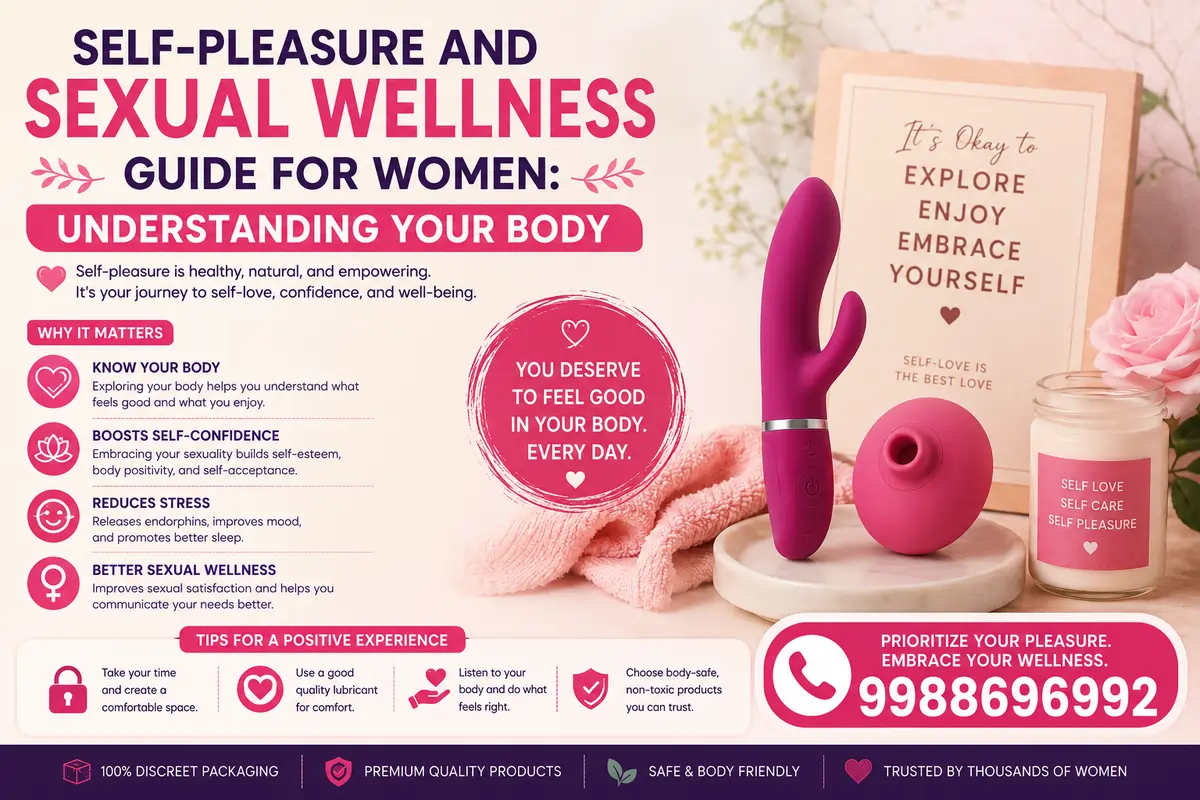
Self-Pleasure and Sexual Wellness Guide for Women: Understanding Your Body
For a long time, conversations about female sexuality and self-pleasure were treated as taboo, leaving many women without accurate, judgment-free information about their own bodies. That’s changing. Doctors, therapists, and researchers now widely recognize that understanding your body and prioritizing sexual wellness is a normal, healthy part of self-care — no different from prioritizing sleep, nutrition, or exercise.
This guide covers what sexual wellness means for women, the psychological and physical benefits of body awareness and self-care, how to think about safety and product materials if you choose to explore wellness products, and how to navigate stigma and misinformation. It’s written to be practical, medically informed, and free of explicit detail — a starting point for further learning, not a replacement for advice from a doctor or licensed therapist.
Why Sexual Wellness Matters for Women
Historically, sex education and medical research have focused disproportionately on male sexual health, leaving many women with gaps in understanding their own anatomy and responses. This has consequences: studies on sexual health literacy consistently show that women who understand their own bodies report higher satisfaction, better communication with partners, and improved self-esteem.
Sexual wellness isn’t just about physical pleasure — it’s connected to:
- Body image and confidence — understanding what feels good and why can reduce anxiety and self-consciousness.
- Stress and anxiety management — physical touch and self-care practices are linked to lower cortisol levels.
- Better sleep — the hormonal changes associated with relaxation and release, including oxytocin, are linked to improved rest.
- Pain management — some healthcare providers note that certain self-care practices can help with menstrual cramps for some individuals, due to increased blood flow and muscle relaxation.
- Relationship communication — women who are comfortable discussing their preferences tend to report more satisfying relationships.
Understanding Your Body: The Basics
Many women are never taught basic anatomy beyond what’s needed for reproduction or menstruation. A foundational understanding of your own body is often the first step toward better sexual wellness.
Key things worth knowing:
- Anatomy varies significantly between individuals — there is no single “normal.”
- Arousal and response can be affected by hormones, stress levels, medications, and life stage (including pregnancy, postpartum recovery, and menopause).
- What feels pleasurable can change over time, and that’s completely normal.
- Open, honest conversations with a doctor or gynecologist about sexual health are a normal part of healthcare, not something to feel embarrassed about.
If you have concerns about pain, lack of sensation, or changes in your body, a licensed gynecologist or sexual health specialist is the right resource — not internet forums or unverified sources.
The Role of Self-Care and Self-Exploration
Self-exploration is increasingly recognized by therapists as a legitimate part of self-care, similar to journaling, meditation, or exercise. Benefits commonly cited by sex therapists and researchers include:
- Improved body awareness — understanding your own responses can make it easier to communicate needs to a partner.
- Reduced stigma and shame — normalizing self-care around sexuality can reduce feelings of guilt that many women were conditioned to feel.
- Better sleep and relaxation — similar to other calming practices, this can support a bedtime routine.
- Improved mood — physical release is linked to the production of endorphins and dopamine, both associated with improved mood.
- Menstrual symptom relief — some women report reduced cramping, though this varies by individual and isn’t a substitute for medical treatment of conditions like endometriosis.
As with any self-care practice, what works varies from person to person, and there’s no “right” way to approach it.
If You Choose to Use Wellness Products: Safety First
Some women choose to incorporate wellness products into self-care routines. If you do, safety and material quality matter:
Material Safety
- Medical-grade silicone, glass, and stainless steel are generally considered the safest materials because they’re non-porous, hypoallergenic, and easy to clean.
- Avoid unspecified “jelly” or rubber materials, which can be porous and harder to sanitize thoroughly, and may contain phthalates (chemical softeners linked to potential health concerns with prolonged exposure).
Hygiene Practices
- Clean products before and after each use with mild, unscented soap and warm water, or a designated cleanser.
- Store products in a breathable pouch, away from direct sunlight or extreme temperatures.
- Never share products without thorough cleaning and, ideally, a barrier method.
Choosing a Reputable Retailer
Whether shopping online or in person, look for:
- Clear disclosure of materials used
- Secure, encrypted checkout (https, padlock icon)
- Discreet packaging and billing
- A real privacy policy and business contact information
- Age verification at checkout
Avoid sellers who won’t answer basic questions about materials, or who use high-pressure sales tactics.
Addressing Stigma and Misinformation
Despite growing openness, many women still encounter shame or misinformation around sexual self-care. Common myths worth addressing:
Myth: Self-care around sexuality is “unnatural” or only for people without partners. Fact: Sex therapists widely agree that self-exploration is healthy regardless of relationship status, and can actually improve intimacy within a relationship by helping partners communicate better.
Myth: Talking about sexual wellness with a doctor is inappropriate. Fact: Sexual health is a standard part of overall healthcare. Gynecologists and general practitioners are trained to discuss these topics professionally and confidentially.
Myth: There’s a “normal” way bodies should respond. Fact: Individual variation is the norm, not the exception. Comparing yourself to media portrayals or others’ experiences often causes unnecessary anxiety.
Myth: Only younger women should think about sexual wellness. Fact: Sexual wellness is relevant across all life stages, including through menopause and beyond. Hormonal changes affect sensation and response, and adapting self-care practices to different life stages is common and healthy.
When to Talk to a Professional
While self-care and body awareness are healthy on their own, certain signs are worth discussing with a doctor or therapist:
- Persistent pain during arousal or intimacy
- Sudden changes in sensation or response
- Difficulty with arousal that’s causing distress
- Anxiety or shame that’s affecting quality of life
- Any concerns following pregnancy, surgery, or menopause
A gynecologist, urologist (for pelvic floor concerns), or a licensed sex therapist can provide guidance specific to your situation. This article is educational and general — it isn’t a substitute for personalized medical advice.
Quick Answers (Frequently Asked Questions)
Q: Is self-care around sexual wellness normal for women?
A: Yes. Medical and psychological professionals widely recognize it as a healthy part of self-care and body awareness, regardless of relationship status.
Q: What materials are safest for wellness products?
A: Medical-grade silicone, glass, and stainless steel are considered the safest because they’re non-porous and easy to sanitize.
Q: Can self-care practices help with menstrual cramps?
A: Some women report relief due to increased blood flow and muscle relaxation, though this varies by individual and isn’t a treatment for underlying conditions.
Q: Does sexual wellness change with age or menopause?
A: Yes. Hormonal shifts can affect sensation and response at different life stages, and it’s common — and healthy — to adapt self-care routines accordingly.
Q: When should I see a doctor about sexual wellness concerns?
A: If you experience persistent pain, sudden changes in sensation, or distress related to intimacy, a gynecologist or licensed sex therapist can help.
Conclusion
Understanding your body and prioritizing sexual wellness is a normal, healthy part of self-care for women at every life stage. Moving past stigma starts with accurate information: knowing your own anatomy, recognizing the legitimate health benefits of body awareness, choosing safe materials if you use wellness products, and knowing when to seek professional guidance. There’s no single “right” way to approach sexual wellness — what matters is that it’s informed, safe, and free of shame.

